
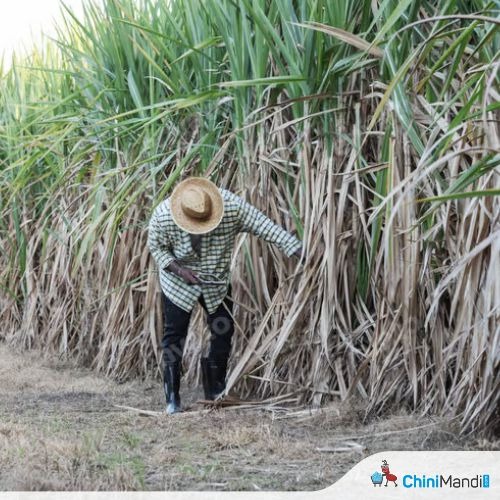
South Africa’s sugarcane industry has begun the 2026/27 milling season on a positive note, with a sharp rise in early cane deliveries offering hope to thousands of farmers, even as concerns over the sector’s future continue to grow.
Early figures show a 48 per cent increase in sugarcane deliveries compared to the same period last year, reflecting strong participation from nearly 28,000 growers across the country. The encouraging start highlights the efforts of farmers to maintain production despite ongoing challenges, Independent on Saturday reported.

However, uncertainty remains over the fate of Tongaat Hulett, a key player in the industry. A court hearing scheduled for June will decide on a liquidation case that could affect the livelihoods of thousands of small-scale farmers in northern KwaZulu-Natal. The company’s mills are critical to around 18,000 growers, and with three of its mills yet to begin operations, concerns remain high.
Chairperson of SA Canegrowers, Higgins Mdluli, said the industry has continued to show strength despite difficult conditions. He expressed hope that farmers supplying Tongaat Hulett mills would still have a productive season.
The company recently received temporary funding of R200 million from the Industrial Development Corporation as efforts continue to avoid liquidation. A court date on June 17 is expected to be crucial in determining the next steps for the company and the wider industry.
At the same time, local growers are facing increasing pressure from rising sugar imports. Large volumes of sugar from countries like Brazil, Thailand and India have entered the South African market, affecting domestic prices. In March alone, imports reached 16,000 tonnes, double the volume recorded during the same month last year. In 2025, total imports rose to 213,000 tonnes, placing further strain on the industry.
According to industry representatives, every tonne of imported sugar results in significant revenue losses for local producers, raising concerns about the long-term sustainability of the sector.
The International Trade Administration Commission of South Africa is currently reviewing the country’s sugar tariff system following concerns raised by the industry that existing measures are no longer effective in protecting local producers from global competition.
Mdluli said nearly one million livelihoods depend on the sugar industry, particularly in rural areas of KwaZulu-Natal and Mpumalanga, and called for stronger policy support to safeguard jobs and economic activity.
Despite the challenges, farmers remain determined to sustain production and meet domestic demand, maintaining a positive outlook as the season progresses.















