
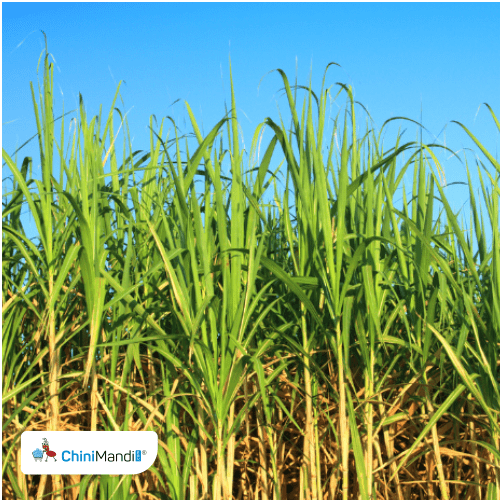
Belagavi’s agricultural landscape is increasingly being shaped by the steady expansion of sugarcane cultivation, with farmers continuing to favour the crop despite recurring disputes over cane prices and delayed payments from sugar mills, according to officials familiar with the developments.
Agriculture officials said sugarcane has emerged as the dominant driver of cropping changes across Karnataka’s largest farming district, where cultivation spans 7.52 lakh hectares. The district alone contributes nearly 44% of the state’s total sugarcane acreage, Hindustan Times reported.

The area under sugarcane has recorded consistent growth over the past four years, rising from 2.6 lakh hectares in 2022-23 to 2.8 lakh hectares in 2023-24, increasing further to 2.93 lakh hectares in 2024-25 and reaching 3 lakh hectares in 2025-26. Officials expect the area under the crop to comfortably cross the three lakh hectare mark during the 2026-27 season.
Officials attributed the continued growth to sugarcane’s lower risk of crop failure, the benefits of ratoon cultivation and sustained demand from both the sugar and ethanol industries. Rising labour costs, increasing pesticide expenses and fluctuating returns from other crops have also encouraged growers to continue with sugarcane.
Belagavi has 28 sugar factories, with major cultivation concentrated in Chikodi, Athani, Gokak and Yaragatti. Officials added that several farmers are adopting intercropping practices by cultivating pulses and vegetables alongside sugarcane to improve farm income.
HD Kolekar, Joint Director of Agriculture, said the wider adoption of intercropping has supported the district’s steady annual increase in sugarcane cultivation.
As sugarcane acreage continues to expand, other crop patterns are also changing. Tobacco cultivation in the district has declined sharply, with the area reducing from 8,400 hectares in 2023 to fewer than 4,800 hectares. Agriculture officials estimate that nearly 80% of tobacco growers have started shifting to alternative crops.
Traditional tobacco-growing areas such as Nippani, Chikodi and Hukkeri are increasingly moving towards crops including soybean, chickpea and wheat.
Sahadev Yaragoppa, Deputy Director of Agriculture, Chikodi, said the department is supporting this transition through technical guidance and subsidised seed distribution, while farmers continue to strengthen sugarcane’s position in the district’s agricultural economy.















