Bangkok: Thailand is considering targeted excise tax reductions on E20 and B20 fuels as part of efforts to contain energy costs amid the impact of the Middle East crisis, while also taking into account the government’s limited fiscal room, reported The Nation
The proposal involves using part of the country’s unused borrowing capacity to finance measures aimed at mitigating the impact of the crisis and managing oil prices.

Finance Minister Ekniti Nitithanprapas said the government has several mechanisms available to manage energy prices and will determine which option is most appropriate depending on the circumstances.
The options include using the Oil Fuel Fund to help stabilise domestic fuel prices, asking refineries to contribute some of their excess refining margins towards reducing retail fuel prices, and cutting the excise tax on oil.
The government has so far held back from reducing the excise tax because such a move would immediately lower state revenue while government expenditure would remain unchanged. Any resulting revenue gap could eventually require additional borrowing, making the effect on the country’s fiscal position an important consideration.
If tax measures become necessary, Ekniti said the government is considering a more targeted approach rather than applying a broad reduction across fuel categories.
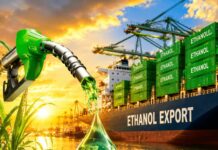
E20 and B20 are among the fuels being considered because of their links to the agricultural sector. E20 contains a high proportion of ethanol, while B20 contains biodiesel.
Sugarcane and cassava are key feedstocks for ethanol production, while palm oil is used in biodiesel production. Reducing excise taxes on these fuel categories could therefore provide support not only to consumers but also to farmers producing the underlying agricultural commodities.
The government is also seeking to balance measures aimed at easing living costs with fiscal discipline, particularly as the current fiscal year ends in September. Ekniti said the government currently has just over THB10 billion in remaining fiscal space.
He cautioned that implementing measures that reduce government revenue without first assessing their wider financial impact could put additional pressure on public finances and potentially turn an energy-related problem into a broader fiscal challenge.
For the next fiscal year, the government will reassess its available fiscal space before determining the extent of any further support measures.
Officials will evaluate each proposed measure based on its suitability and its overall impact on the government’s fiscal position before making a decision.