
Zimbabwe’s Parliament has called for a broad package of measures to strengthen the country’s sugar value chain, including concessional financing for industry players, improved transport infrastructure, stronger competition in milling and better access to credit for sugarcane out-growers, reported Herald Online.
The recommendations were made by the Portfolio Committee on Industry and Commerce in a report presented to Parliament by its chairman, Cde Clemence Chiduwa, following an inquiry into the country’s sugar value chain.

The committee said the government should work with the Reserve Bank of Zimbabwe (RBZ) to establish a concessional financing facility by December 2026. The facility should offer interest rates below 15% to sugar value-chain businesses, particularly those requiring significant capital for refining operations, working capital and expansion.
Access to finance for farmers was also identified as a priority. The committee recommended that the Ministry of Lands and Rural Development provide bankable land-tenure documents to at least 70% of sugarcane out-growers within two years. Such documentation would improve farmers’ ability to use their land rights as security when seeking loans.
The committee also called for the recapitalisation of the National Railways of Zimbabwe (NRZ) by the Mutapa Investment Fund by the end of 2026. A stronger rail network, it said, would reduce transportation costs for moving sugarcane to mills as well as distributing finished sugar.
Infrastructure constraints extend beyond transport, with the committee urging the Zimbabwe National Water Authority (ZINWA) and the Zimbabwe Electricity Supply Authority (ZESA) to give priority to the sugar industry and ensure reliable supplies of water and electricity.
The committee also proposed expanding milling capacity to increase competition in the sector. It recommended that the Ministry of Industry and Commerce facilitate the installation of an additional mill at Mkwasine, with a capacity of between 5,000 and 10,000 tonnes of cane a day.
The Competition and Tariff Commission has also been asked to assess the existing market structure and identify measures that could improve competition, including examining the viability of establishing another sugar mill.
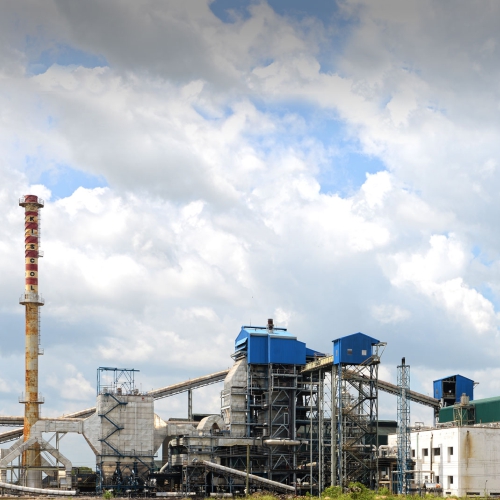
Zimbabwe’s sugar milling industry is currently dominated by Tongaat Hulett, which operates as the country’s sole major sugar milling company.
The committee further recommended a review of sugar taxation and fortification policies by December 31, 2026. It said the government should assess whether the existing framework is achieving its public-health objectives without undermining the competitiveness of domestic producers.
Vitamin A fortification was a particular concern. The committee said import permits for table sugar should require imported products to meet the same fortification requirements imposed on locally produced sugar.
According to the committee, domestic producers face both mandatory fortification costs and the sugar tax, while imported sugar from countries where equivalent requirements may not apply can enter the Zimbabwean market without bearing comparable costs.
The committee also recommended amendments to the Sugar Production Control Act to bring the legislation in line with current developments in the industry.
In its assessment, the committee described the sugar value chain as an important contributor to Zimbabwe’s economy, with significant scope for expansion and greater value addition. However, industry stakeholders told the committee that macroeconomic instability, elevated input costs, infrastructure shortcomings and institutional weaknesses were limiting the sector’s competitiveness.
The committee said overcoming these constraints would require coordinated action by the government, industry and other stakeholders.
It argued that reforms combined with investment in finance, infrastructure and production capacity could enable the sugar industry to play a larger role in Zimbabwe’s industrialisation and broader economic development.















